GUIDE
How to stack grocery coupons
The complete order of operations for combining store sales, digital coupons, manufacturer printables, and cashback rebates into a single high-savings grocery basket.
What "stacking" actually means
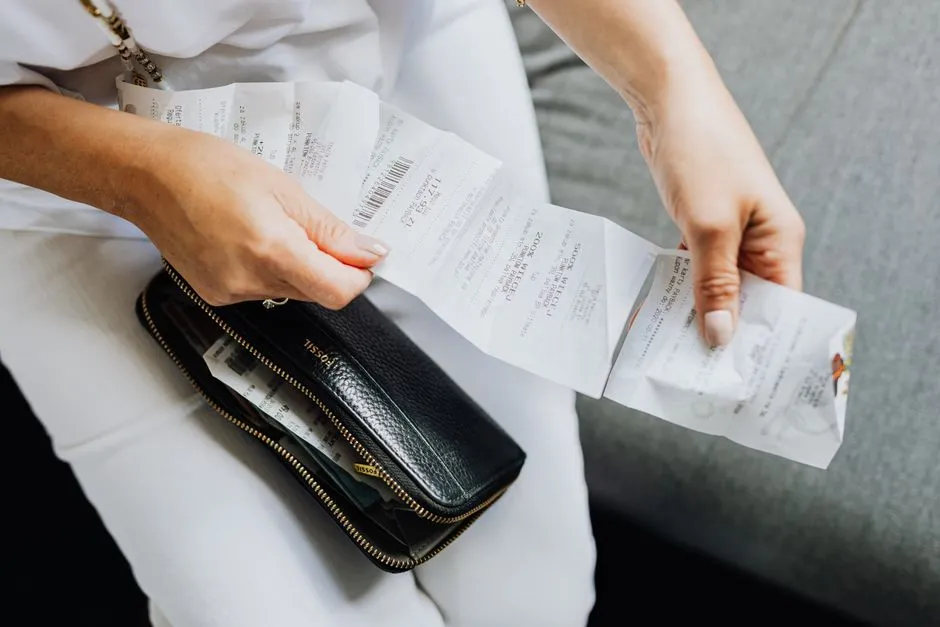
Coupon stacking is the practice of layering multiple discounts on the same item in a single transaction. In modern U.S. grocery, the four primary layers are: (1) the weekly circular sale price set by the chain, (2) a digital store coupon clipped through the retailer's loyalty app, (3) a manufacturer printable or paper coupon for the same SKU, and (4) a cashback rebate from a third-party app like Ibotta, Fetch, Checkout 51, or Upside.
Each layer is independent and most chains explicitly allow them to combine.
The four-layer stack, step by step
Layer 1: The weekly circular sale
Every Tuesday evening or Wednesday morning, major U.S. grocery chains release new weekly circulars. The front page lists "loss leaders" — products priced at or below cost to drive store traffic. These are the items to plan your basket around. Loss-leader categories rotate weekly and typically include staples like ground beef, milk, eggs, paper towels, and seasonal produce.
Layer 2: The digital store coupon
Inside every major chain's mobile app — Kroger, Safeway's "for U", Publix, Albertsons, Meijer's "mPerks", H-E-B, Wegmans Shoppers Club — there is a digital coupon catalog with dozens to hundreds of clipped offers refreshed weekly. These are coupons the chain has negotiated directly with manufacturers or funded itself. Clip every relevant offer before you shop; they apply automatically when you scan your loyalty card at the register.
Layer 3: The manufacturer printable or paper coupon
This is the most underused layer. Manufacturer coupons are issued by the brand (Tide, General Mills, Procter & Gamble) rather than the retailer, which means most chains will accept one paper manufacturer coupon per qualifying item even if a digital store coupon is already loaded on the same SKU. Sources: the Sunday newspaper insert, Coupons.com, Smartsource.com, and the manufacturer's own website.
Layer 4: The cashback rebate
After checkout, scan your receipt into Ibotta, Fetch, and Checkout 51. These apps pay you cashback on featured products independently of any store or manufacturer coupon used at the register — they are a true fourth layer of savings. Fetch in particular pays points on any grocery receipt regardless of brand, making it the easiest passive layer to add.
Common stacking mistakes
The most frequent mistake is using a digital coupon and a manufacturer coupon for the same dollar value on the same item — most chains will only accept one if they are duplicates. Use the digital store coupon for the store-funded portion and the manufacturer coupon for the brand-funded portion; they are not duplicates and will both scan.
The second-most-frequent mistake is buying items just because they are on a stack — only buy what you would have bought anyway, or stockpile non-perishable staples. The math is only a savings if you would have purchased the item at regular price.
Tools that make stacking easier
Flipp is the easiest way to browse weekly circulars across multiple chains in one place. The retailer's own mobile app is essential for digital coupon clipping. Coupons.com and SmartSource are the two largest sources of printable manufacturer coupons. Ibotta, Fetch, and Checkout 51 are the cashback layer.
This is general advice, not a measurement of any particular store, app or coupon.